
Teh Tawa is a traditional beverage cherished by many communities for its rich flavors and cultural significance. Originating from a long-standing culinary heritage, this tea has become more than just a drink; it embodies local customs, social gatherings, and historical traditions. With its unique preparation methods and distinctive taste profiles, Teh Tawa offers a glimpse into the cultural fabric of the regions where it is celebrated. Whether enjoyed during special occasions or as an everyday refreshment, this beverage continues to hold a special place in the hearts of its enthusiasts. In this article, we explore the origins, ingredients, preparation techniques, variations, and cultural importance of Minuman Teh Tawa, providing a comprehensive understanding of this cherished traditional drink.
The Origin and Cultural Significance of Teh Tawa
Teh Tawa’s roots trace back centuries in Southeast Asian communities, particularly within regions where tea-drinking is deeply embedded in daily life. Historically, it was crafted as a communal beverage, often prepared in open-air markets or during local festivals, serving as a symbol of hospitality and togetherness. The term "Tawa" refers to the traditional flat griddle or pan used during its preparation, which gives the drink its name and distinctive flavor. Over generations, Teh Tawa has evolved into a cultural icon, representing local identity and culinary ingenuity. It is often associated with traditional ceremonies, family gatherings, and regional celebrations, where sharing a cup signifies unity and warmth. The cultural significance of Teh Tawa extends beyond its taste, embodying regional history, social bonds, and the art of traditional brewing techniques passed down through generations.
Key Ingredients Used in Preparing Teh Tawa
The core of Teh Tawa lies in its simple yet carefully selected ingredients, which come together to create a harmonious flavor profile. The primary component is high-quality black tea leaves, often sourced locally for freshness and aroma. These tea leaves are typically robust and full-bodied, providing a strong foundation for the beverage. Alongside the tea, traditional spices such as cardamom, cloves, or cinnamon are frequently added to infuse warmth and depth into the drink. Sweeteners like palm sugar, honey, or jaggery are used to balance the bitterness of the tea and enhance its richness. Additionally, some recipes incorporate herbs or flavorings like pandan leaves or ginger for added aroma and health benefits. The choice and combination of these ingredients can vary depending on regional preferences and personal taste, making each version of Teh Tawa unique to its locality.
Step-by-Step Guide to Making Authentic Teh Tawa
Preparing authentic Teh Tawa involves a traditional process that emphasizes patience and attention to detail. First, start by heating a flat Tawa or griddle over medium heat, which is essential for the signature flavor. Once hot, add a small amount of water along with the tea leaves and spices, allowing them to boil gently and release their aromatic oils. This initial boiling step is crucial for extracting maximum flavor. Next, add sweeteners such as palm sugar or honey, stirring until fully dissolved. The mixture is then simmered for several minutes to deepen the infusion. Afterward, the tea is poured into cups through a strainer to remove the solids, resulting in a smooth, flavorful beverage. Some variations involve pouring the tea back onto the hot Tawa for a final roasting or caramelization step, which enhances the aroma. The key to an authentic Teh Tawa is maintaining a gentle heat throughout the process to preserve the delicate balance of flavors.
Unique Flavors and Variations of Teh Tawa
While traditional Teh Tawa maintains a classic flavor profile, regional and personal variations have given rise to a wide array of unique flavors. Some versions incorporate additional spices like star anise or turmeric, creating a more complex and aromatic experience. Others experiment with the inclusion of coconut milk or condensed milk, adding creaminess and richness to the drink. Fruit-infused variations, such as adding slices of citrus or pandan leaves, lend a fresh twist to the traditional recipe. In certain areas, Teh Tawa is served with a sprinkle of ground nuts or sesame seeds for added texture. These variations showcase the creativity and adaptability of the beverage, often reflecting local tastes and ingredients. Whether enjoyed as a spicy, sweet, or creamy version, each variation of Teh Tawa offers a distinctive taste experience rooted in tradition but open to innovation.
Health Benefits Associated with Drinking Teh Tawa
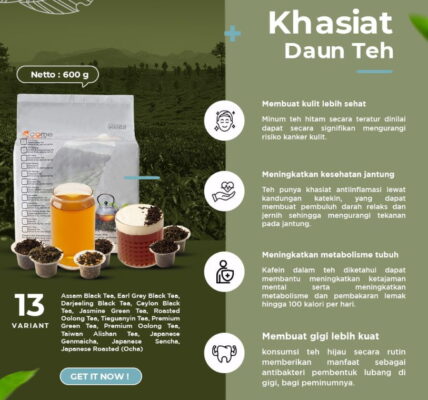
Beyond its delightful taste, Teh Tawa offers several health benefits derived from its natural ingredients. The black tea component is rich in antioxidants, which help combat free radicals and support overall health. Spices like cardamom and cinnamon are known for their anti-inflammatory and digestive properties, aiding in gut health and metabolic regulation. The use of natural sweeteners such as honey or jaggery provides energy and can help soothe sore throats. Additionally, herbs like pandan or ginger, often added to Teh Tawa, possess calming and immune-boosting qualities. The warm nature of the beverage makes it particularly comforting during colder days or when feeling under the weather. However, it is important to consume Teh Tawa in moderation, especially when sweeteners are added generously. Overall, this traditional tea can be a nourishing addition to a balanced diet, offering both sensory pleasure and health-promoting properties.
Serving Suggestions and Best Pairings for Teh Tawa
Teh Tawa is traditionally served hot, often in small ceramic or clay cups that enhance its aroma and flavor. For an authentic experience, it is best enjoyed fresh and immediately after preparation, allowing the drinker to savor its warmth and complex notes. It pairs well with local snacks such as fried pastries, nuts, or traditional cakes like klepon or kuih. The beverage also complements savory dishes like fried foods, grilled meats, or spicy snacks, balancing flavors with its sweetness and spice-infused aroma. Some serve Teh Tawa alongside regional desserts during festivals or family gatherings, elevating the celebratory atmosphere. For a more modern twist, it can be paired with light breakfast items or enjoyed as an afternoon pick-me-up. The key is to serve it in a manner that preserves its warmth and aroma, enhancing the overall sensory experience.
Popular Regions and Places Known for Teh Tawa
Teh Tawa is most famously associated with regions where traditional tea culture thrives, particularly in parts of Southeast Asia such as Indonesia, Malaysia, and southern Thailand. In Indonesia, especially in Java and Sumatra, local markets and street vendors serve freshly brewed Teh Tawa, often prepared in front of customers on open flames or traditional griddles. Malaysia’s northern states and coastal towns also have a rich history of Teh Tawa, often enjoyed during community gatherings and cultural festivals. In Thailand, certain regions incorporate Teh Tawa into their local tea traditions, blending it with indigenous flavors. Popular tourist destinations and local markets in these regions frequently feature vendors specializing in this traditional beverage, making it an accessible and beloved part of regional culinary culture. The popularity of Teh Tawa continues to grow as more people seek authentic and traditional flavors, preserving its status as a cultural icon.
Tips for Brewing the Perfect Cup of Teh Tawa
Achieving the perfect cup of Teh Tawa requires attention to detail and patience. Start with high-quality tea leaves and fresh spices to ensure the best flavor. Use a flat Tawa or griddle for the traditional preparation method, maintaining a consistent, gentle heat throughout the process. Properly boiling the tea and spices together helps release their full aroma and flavor. Adjust the amount of sweetener to suit your taste, but avoid over-sweetening to maintain balance. Straining the tea carefully ensures a smooth beverage free of solids, enhancing the drinking experience. Experiment with the timing of each step—whether to simmer longer for a stronger infusion or to add additional spices—to customize the flavor profile. Finally, serve the tea immediately while hot, ideally in traditional cups, to fully appreciate its aroma and warmth. With practice, brewing Teh Tawa can become a rewarding ritual that captures the essence of this traditional beverage.
The Role of Teh Tawa in Local Traditions and Celebrations
Teh Tawa holds a significant place in local traditions and festive occasions, symbolizing hospitality and communal bonding. During cultural festivals, it is customary to serve Teh Tawa to guests as a sign of respect and warmth. In family gatherings and celebrations, preparing and sharing this tea fosters a sense of togetherness and preserves cultural heritage. Vendors often set up stalls selling freshly brewed Teh Tawa during markets, festivals, and religious events, making it a staple at social gatherings. The beverage is also integral to traditional ceremonies and rites, where it is offered as part of rituals or blessings. Its role extends beyond sustenance, acting as a cultural artifact that connects generations and reinforces regional identity. The ritual of preparing and serving Teh Tawa continues to be a cherished tradition, embodying the social and cultural values of the communities that hold it dear.